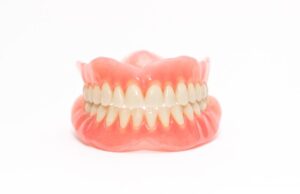
Dentures play a crucial role in restoring your smile and helping you enjoy daily life after tooth loss. However, adjusting to dentures can also affect the way you eat—and in turn, your nutrition. Since what you eat directly impacts your health, it’s important to understand how dentures influence your dietary choices and what you can do to ensure you’re still getting the nutrients your body needs. Let’s look at 5 ways dentures affect nutrition.
1. Chewing Efficiency May Be Reduced
Natural teeth are anchored firmly in the jaw, allowing for powerful chewing. Dentures, even when well-fitted, do not always provide the same bite force. This can make it difficult to chew certain foods, especially hard, crunchy, or fibrous items like nuts, raw carrots, or steak. As a result, some people avoid these foods altogether, which may reduce the variety in their diet. To compensate, you may need to cut foods into smaller pieces or cook vegetables to soften them without losing too many nutrients.
2. Food Choices Might Become Limited
Because certain foods are more difficult to eat with dentures, many patients turn to softer, easier-to-chew options. While this makes eating more comfortable, it can also lead to a reliance on processed foods, breads, and starches, which may not provide enough vitamins, minerals, or fiber. Over time, this can negatively impact overall nutrition. Being mindful about including soft but nutrient-rich options like scrambled eggs, yogurt, soups, or smoothies can help maintain a balanced diet.
3. Reduced Taste Sensation
Some denture wearers notice that food doesn’t taste the same. This may be due to the acrylic palate of upper dentures, which can cover taste buds on the roof of the mouth. Changes in saliva flow may also affect flavor perception. When food is less enjoyable, people may eat less or choose foods that are less nutritious but more flavorful, like salty snacks or sweets. To address this, focus on using herbs, spices, and seasonings to enhance flavor in healthier meals.
4. Risk of Malnutrition
Difficulty eating and reduced enjoyment of food can sometimes lead to inadequate nutrition, especially in older adults. Protein, calcium, fiber, and vitamin deficiencies are common among denture wearers who don’t adapt their diets carefully. Malnutrition can weaken the immune system, affect bone health, and slow healing. To prevent this, it’s essential to work with your dentist, dietitian, or doctor to make sure you’re eating a variety of foods that support your overall health.
5. Improved Confidence Can Boost Healthy Eating
On a positive note, dentures can also improve nutrition by restoring confidence to eat in public. Many people with missing teeth avoid certain foods or social meals out of embarrassment. With dentures, eating becomes easier and more enjoyable, allowing you to share meals again with family and friends. This can encourage healthier food choices and improve both physical and emotional well-being.
Dentures do affect nutrition, but with awareness and planning, you can enjoy a balanced and satisfying diet. Cutting foods into smaller pieces, choosing nutrient-rich soft foods, and using spices to enhance flavor are all helpful strategies. Most importantly, regular dental checkups ensure your dentures fit properly, making eating more comfortable and helping you maintain good overall health.
About the Practice
Have you lost teeth and are looking to restore your smile and functionality? At Beverly Farms Dental, we have the solution: dentures! We customize our prosthetics, so they’re tailor-made to meet your expectations. Losing your self-confidence and being unable to eat your favorite foods or speak clearly all take a toll over time, and we’re thrilled that we can help. Ready to get started? Schedule an appointment through our website or call (978) 927-3515.