Dental implants are designed to look, feel, and function much like natural teeth. However, unlike your natural teeth, dental implants don’t contain nerves. So, what does it mean if you experience sensitivity or discomfort around an implant? Shouldn’t it be impossible for something without nerves to hurt?
While dental implants themselves cannot experience traditional tooth sensitivity, the surrounding gum tissue, bone, and neighboring teeth can still cause discomfort. Understanding what’s behind these sensations can help you recognize when something needs attention. Here are a few possible explanations for dental implant sensitivity and why you should bring them to your dentist’s attention.
1. Inflammation Around the Implant
One possible cause of discomfort is inflammation in the gum tissue surrounding your dental implant. Just like natural teeth, implants need healthy surrounding tissues to remain stable and comfortable.
Poor oral hygiene can allow plaque and bacteria to accumulate around an implant, potentially causing a condition called peri-implant mucositis. This is an early form of inflammation that affects the soft tissue around the implant. Symptoms may include redness, swelling, tenderness, and bleeding when brushing or flossing.
If left untreated, inflammation can progress to peri-implantitis, a more serious condition that can damage the bone supporting your implant.
2. Pressure From Your Bite
Your dental implant should fit comfortably into your bite, allowing you to chew without discomfort. However, if the implant crown is slightly too high or your bite is uneven, it may experience excessive pressure when you eat or close your teeth together.
This can cause soreness or discomfort around the implant, particularly when chewing. Your dentist can evaluate your bite and determine whether an adjustment is necessary.
3. Problems With the Implant Restoration
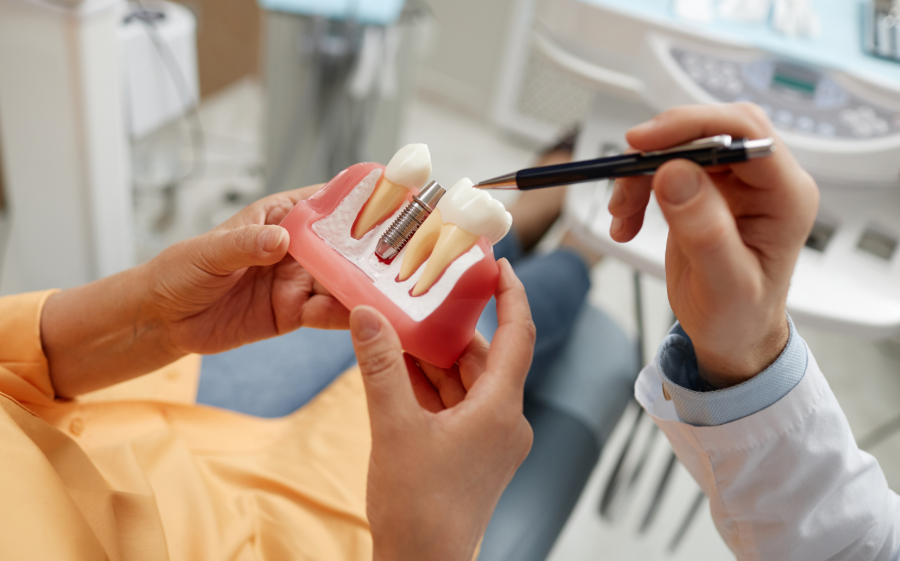
Dental implants consist of several components, including the implant post, abutment, and replacement crown. Although these components are designed to work together, problems can occasionally develop.
For example, a loose abutment or crown may cause movement, pressure, or discomfort when chewing. Damage to the restoration can also affect how your bite feels. Your dentist can examine the implant and determine whether a component needs to be repaired or replaced.
4. Sensitivity in a Neighboring Natural Tooth
Sometimes, what feels like dental implant sensitivity actually originates from a nearby natural tooth. Unlike implants, natural teeth contain nerves that can respond to hot, cold, sweet, or acidic foods and beverages.
A neighboring tooth with a cavity, cracked enamel, or gum recession may produce sensations that seem to come from your implant. A dental examination can help pinpoint the actual source of discomfort.
5. Nerve or Sinus-Related Discomfort
Depending on where your implant is located, other structures may contribute to discomfort. For example, upper dental implants are positioned relatively close to the maxillary sinuses. Sinus inflammation or pressure can sometimes create sensations around the upper teeth and implant area.
In some cases, nerve irritation or injury associated with implant placement may also contribute to persistent pain, tingling, or altered sensation.
Don’t Ignore Dental Implant Discomfort
Dental implants should not cause ongoing pain or sensitivity. If something feels unusual, schedule an evaluation rather than waiting for the symptoms to disappear. Early attention can help identify potential complications and protect your investment in your smile.
About the Practice
Beverly Farms Dental provides comprehensive dental care to patients in Beverly, MA, with an emphasis on personalized treatment and long-term oral health. The practice offers a variety of restorative and preventive services, including dental implant treatment, to help patients restore their smiles and maintain healthy teeth and gums. The dental team is committed to helping patients feel comfortable and confident throughout their care.
Call us at (978) 927-3515 or schedule your appointment online